News & Events

News & Events
High pressure pumps
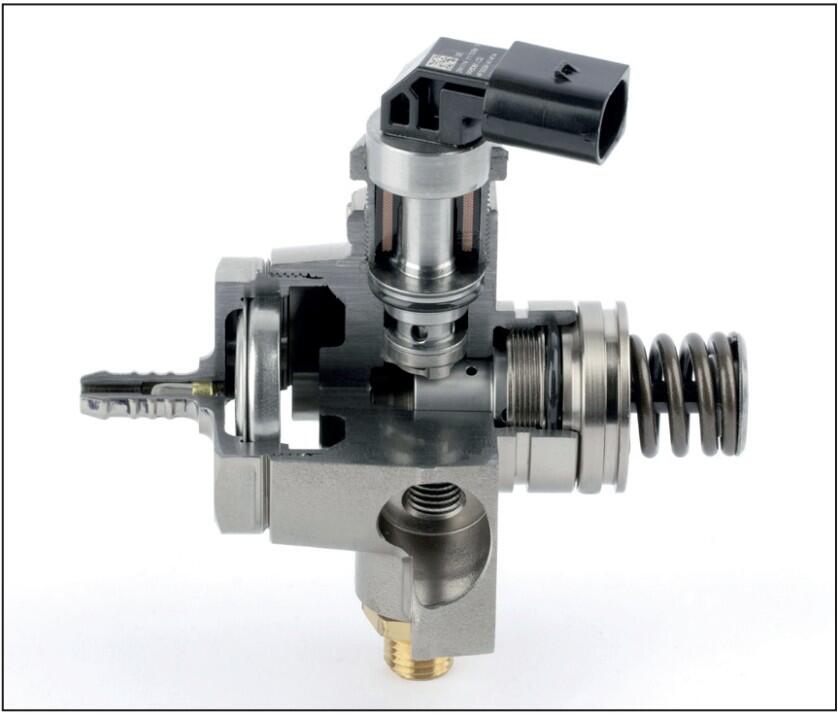
Together with the fuel pump, the high pressure pump forms the „double heart" of the combustion engine: It ensures that the injection valves are supplied with the necessary pressure to distribute the fuel as finely as possible in the combustion chambers of the cylinders.
The high pressure pump (HPP) itself is maintenance-free,
but the models that have a flat plunger installed should be
removed and the plunger should be checked when the oil
is changed. The plunger wears out and in the worst case
can break, which would result in engine damage. Once
the plunger is removed, the next step is to examine the
high pressure pump. There should be no signs of wear on
the pump.
On the removed high pressure pump, the spring and
piston should also be inspected. If these are in good
condition, there is no further need for action.
If the piston is no longer black, as with a new pump,
this is no cause for concern. The black layer on the
piston rubs off in the first 50.000 km and silver rings
form. The piston should not show any scratches or
grinding marks.
Inthat case,the entire fuel systemneeds tobe inspected
for metal shavings and the pump must be replaced.
Metal chips in the fuel filter would be an indication of a
defective high pressure pump.
Symptoms of a defective HPP:
- Lack of power in the upper speed range
- Unsteady idle and poor vehicle start
- Engine stalls while driving
- Oil dilution due to fuel
- Leaking fuel as an urgent warning signal
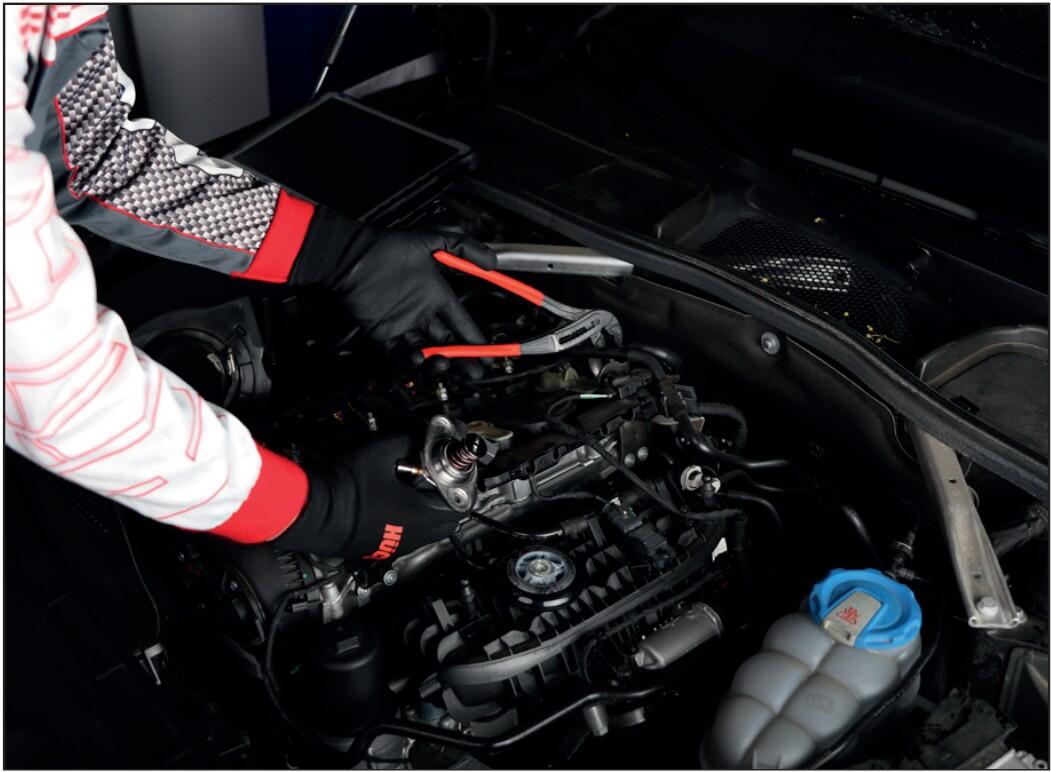
Removal of the old high pressure pump
When the high pressure pump is replaced, it is essential to check the camshaft. If the camshaft
shows signs of grinding, it must also be replaced. Any damage to the camshaft will affect the
function of the high pressure pump.
There may be a rubber hose installed on the low-pressure side of the high pressure pump, which
can become porous. If the hose slowly decomposes, the rubber particles can gradually clog the
high pressure pump.
Installation of a new high pressure pump
The new high pressure pump should only be unpacked shortly before installation and never be held
by the piston, as this can cause it to slide out. In this case, the pump must not be installed under
any circumstances! The piston cannot be pushed back in without damaging the seal. If the high
pressure pump should fall down, it must also not be used. This could cause the high pressure pump
to leak.
Use a torque wrench to tighten the bolts during assembly, as overtightening the bolts can cause
damage to the flange or the pump itself.
Before installing the pump, put some oil on the piston, plunger, spring and around the seal. For easy
installation of the high pressure pump, the cam of the camshaft should be at the lowest point.
Installation tips:
- Use the fuel pump only with a clean filter
- Maintain the fuel filter regularly
- Renew the rubber hose
- Tighten connections
Reasons for Astemo products:
- Astemo is OE supplier of HPP since 2002
- Special coatings
- Made in Germany
Installation videos and many more tips are available on our own YouTube channel.
https://www.youtube.com/watch?v=m_8G0Ek7QmU
It is essential to follow the manufacturer's instructions when replacing the high pressure pump.
... High pressure pumps are sensitive components and require appropriate care during installation.
... With proper maintenance high pressure pumps last the life of the engine.